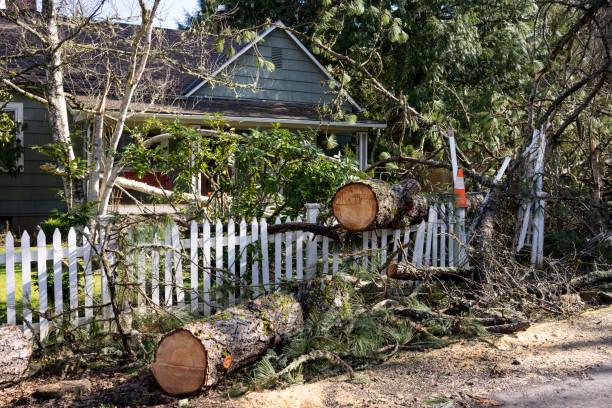
Mapping Out Smart Tree Removal Decisions for Homes and Small Properties
Homeowners often wonder when a tree has reached the end of its safe lifespan, and the answer begins with assessment. Start by observing lean, canopy dieback, and soil heaving. Then consider how close the trunk and major roots are to roofs, utilities, and driveways. Align these observations with your tolerance for risk. Early clarity lets you choose between corrective pruning, monitored retention, or full Tree Removal with fewer surprises.
Beyond that, scope the site’s constraints before any saw touches wood. Narrow gates, fragile lawns, and nearby structures change equipment access and technique. Inspect overhead lines and verify any required permissions. Meanwhile, look at where brush, logs, and chips will be staged, and how traffic will move safely. Better site planning reduces rework, lowers incidental damage, and helps everyone maintain a clean, orderly workflow from start to finish.
Often the goal is to preserve a tree rather than remove it outright. In practice, Tree Trimming can reduce sail effect, lift canopies away from roofs, and improve light for understory plants. Calibrate cuts to industry standards so wounds seal efficiently. Validate the reason for each cut: clearance, structure, or health. Pruning that respects growth patterns supports long-term stability and may defer removal for years while improving day-to-day safety.
However, certain red flags make removal the prudent call. Large cavities compromising more than a minor portion of the trunk, advanced root decay, or repeated major limb failures indicate unacceptable risk. Buffer nearby assets by creating exclusion zones during work. Sequence dismantling from the top down with controlled rigging. Document any preexisting property conditions to align expectations, then refine the plan if unexpected defects appear during climbing and cutting.
Meanwhile, timing matters more than many realize. Dormant seasons can minimize sap flow and reduce stress for remaining landscape plants, while frozen or dry ground can protect turf from equipment tracks. Finally, consider neighborhood schedules, school hours, and weather windows to avoid disruptions. Seasonal calibration also helps you stage follow-up landscaping—such as reseeding or replanting—so the site rebounds quickly after the tree is gone.
Then there’s the question of what happens below ground. Stump Grinding removes tripping hazards, frees space for new plantings, and discourages pests that colonize decaying wood. Verify utility locates before grinding, and set realistic depth targets based on future use of the area. Backfill with a soil-mulch blend and grade flush to surrounding lawn. Maintain the spot by topping off as settling occurs and by monitoring for any resprouting around the perimeter.
Beyond removals, a comprehensive Tree Service approach includes preventive care. Mulch rings, proper watering during drought, and avoiding soil compaction protect root systems. Inspect trees annually for incremental changes rather than waiting for dramatic failures. Validate storm-readiness by checking unions and over-extended limbs. Proactive maintenance costs less than emergency work and preserves canopy benefits like shade, privacy, and energy moderation across the property.
Logistics can make or break the day. Stage equipment to minimize back-and-forth movement and keep driveways accessible. Sequence chipper use to prevent piles from encroaching on walkways. Maintain communication with neighbors about noise windows and parking. In urban settings, refine traffic control with cones and signage. Good logistics shorten active work periods, reduce idle time, and help crews maintain a tidy, safer environment throughout the project.
Budgeting benefits from clarity on work scope and disposal pathways. Request line items for felling, rigging complexity, haul-off, and optional wood salvaging. Inspect proposals for insurance status and safety practices, then align selections with your risk profile and schedule. For some owners, spreading work across phases—urgent hazards first, noncritical pruning later—balances cost with outcomes. Transparency up front prevents scope creep and sets realistic expectations for post-work restoration.
Finally, think about the landscape’s next chapter. After removal, amend soils where compaction or sawdust may affect fertility. Choose replacement species suited to site light, soil, and mature size to avoid repeating conflicts with structures. Validate planting locations with utilities and hardscapes in mind. Maintain new trees with watering schedules and light formative pruning. A deliberate handoff from removal to renewal transforms a necessary intervention into a long-term improvement.
In summary, effective tree work blends safety, timing, and clear planning. Whether you’re evaluating a single hazard limb or scoping a multi-tree project, align goals with site realities, verify constraints, and sequence tasks thoughtfully. Tree Removal, Tree Trimming, and Stump Grinding each play roles in a balanced approach. With a steady process and attention to detail, you protect property, enhance curb appeal, and maintain a healthy, resilient landscape.